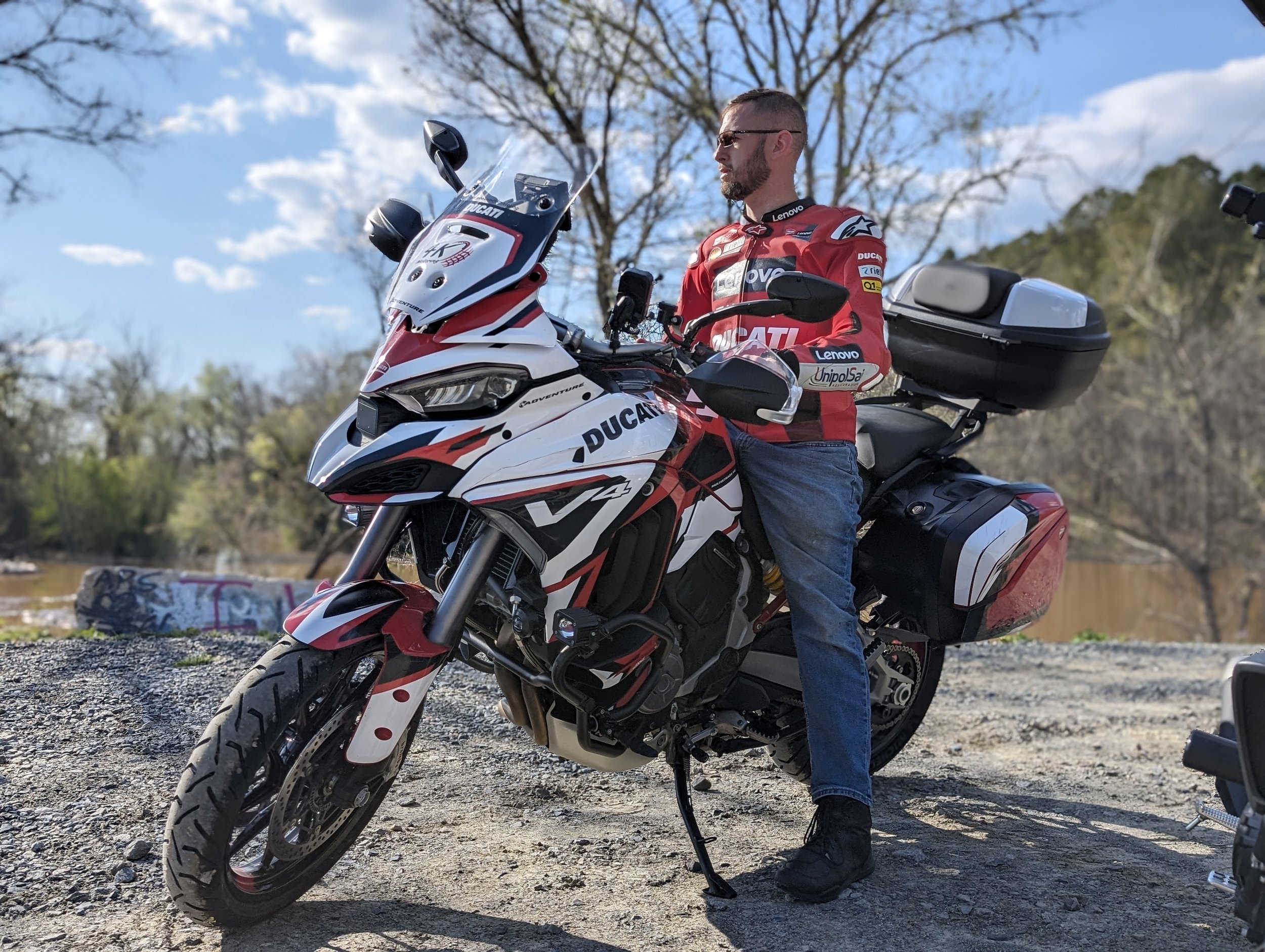
Check out the
Weekly Blog
I rented out my motorcycle… & you’ll never believe what happened
Imagine handing the keys to your personal motorcycle to someone you’ve never met.
You’ve read the listing details, skimmed the insurance language, and scrolled through success stories on apps like Riders Share and Twisted Road. On paper, it all makes sense. The bike is insured, the renter is verified, and the platform promises protection if something goes wrong.
But the first time you do it, you still don’t really know what to expect.
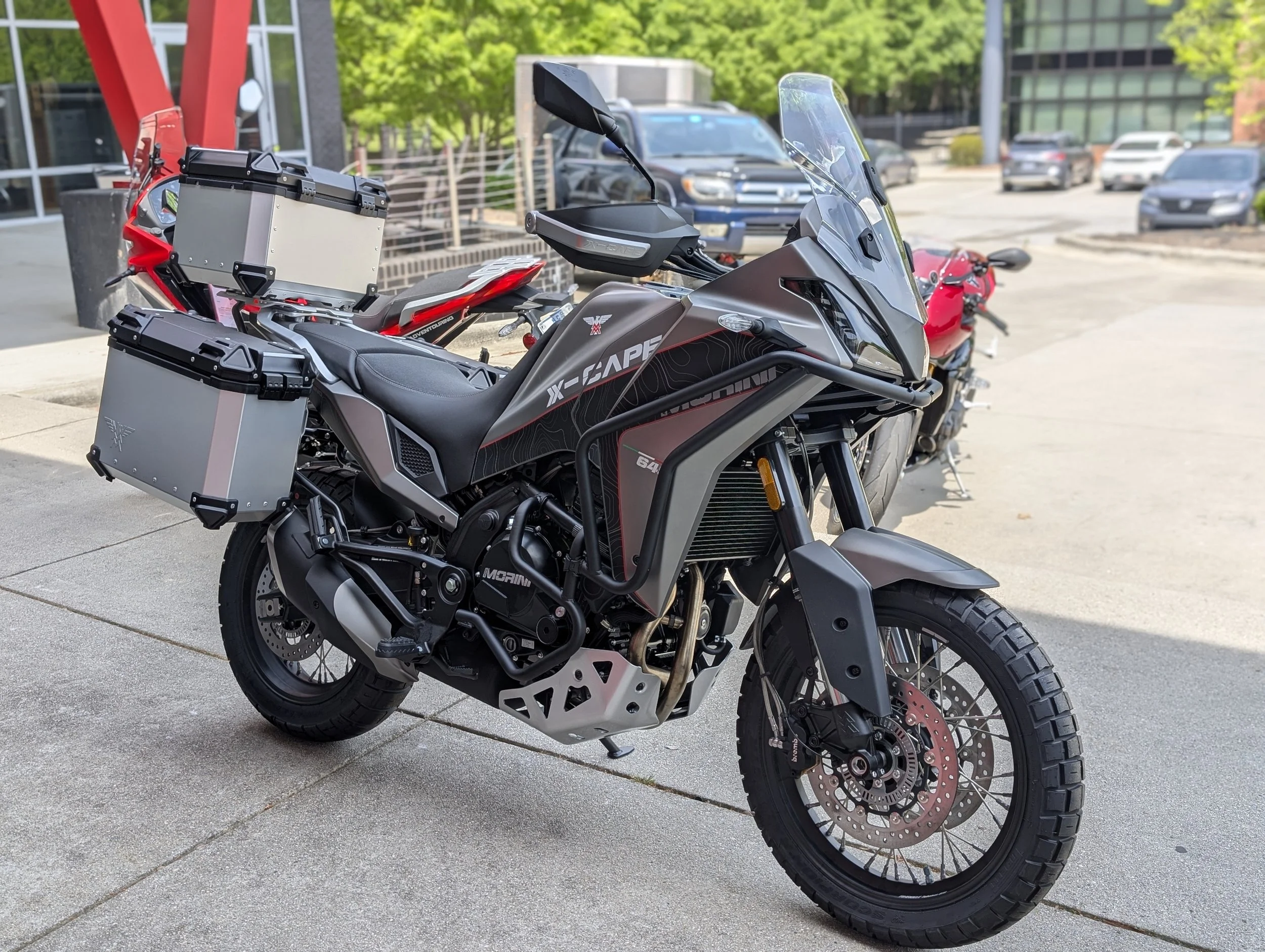
Moto Morini X-Cape 650
Will the bike come back exactly as you left it? Will it get dropped at a stoplight? Will it be ridden harder than you would ever ride your own motorcycle? And if something does happen, how smooth is the process really — not just financially, but emotionally and logistically?
Those are the questions no app can fully answer for you. They’re also the questions I ended up answering in real time after renting out my own motorcycle.
The Impulse Purchase That Started It All
Back in April, I made what I’ll openly admit was an impulsive purchase: a Moto Morini X-Cape 650 SE.
👉Watch my Moto Morini X-Cape 650 SE – My First 100 Miles! on YouTube
It checked a lot of boxes. It was comfortable, capable, and offered something different from the usual options in the ADV space. I expected it to see regular use.
That didn’t happen.
Between work, travel, and other motorcycles in the garage, I ended up putting less than 1,000 miles on the bike myself. Rather than let it sit unused, I made the decision to rent it out.
The idea was simple: keep the bike active, offset some ownership costs, and let other riders enjoy it.
Rental #1: Minor Damage, Manageable Outcome
The first rental ended with the bike being dropped, resulting in minor damage. Nothing catastrophic, but enough to remind me that when you rent out a motorcycle, you are handing control to someone else.
At the time, I chalked it up as part of the risk. Bikes get dropped. Repairs happen. I fixed the issues, documented everything, and moved on.
Rental #2: When Everything GOes Right
The second rental went exactly how you’d hope. The bike was returned on time, in good condition, with no new damage. That experience reinforced the idea that responsible renters do exist, and that renting out a motorcycle can work.
Unfortunately, that wasn’t the end of the story.
Rental #3: Catastrophic Damage
The third rental was different. This wasn’t a tip-over or a cosmetic issue. The bike sustained catastrophic damage — the kind that instantly changes how you look at the entire idea of renting out a motorcycle.
Seeing the bike afterward made it clear that this was no longer a simple repair situation. The emotional impact, the time involved, and the uncertainty around recovery all added up quickly.
This was the moment my perspective shifted.
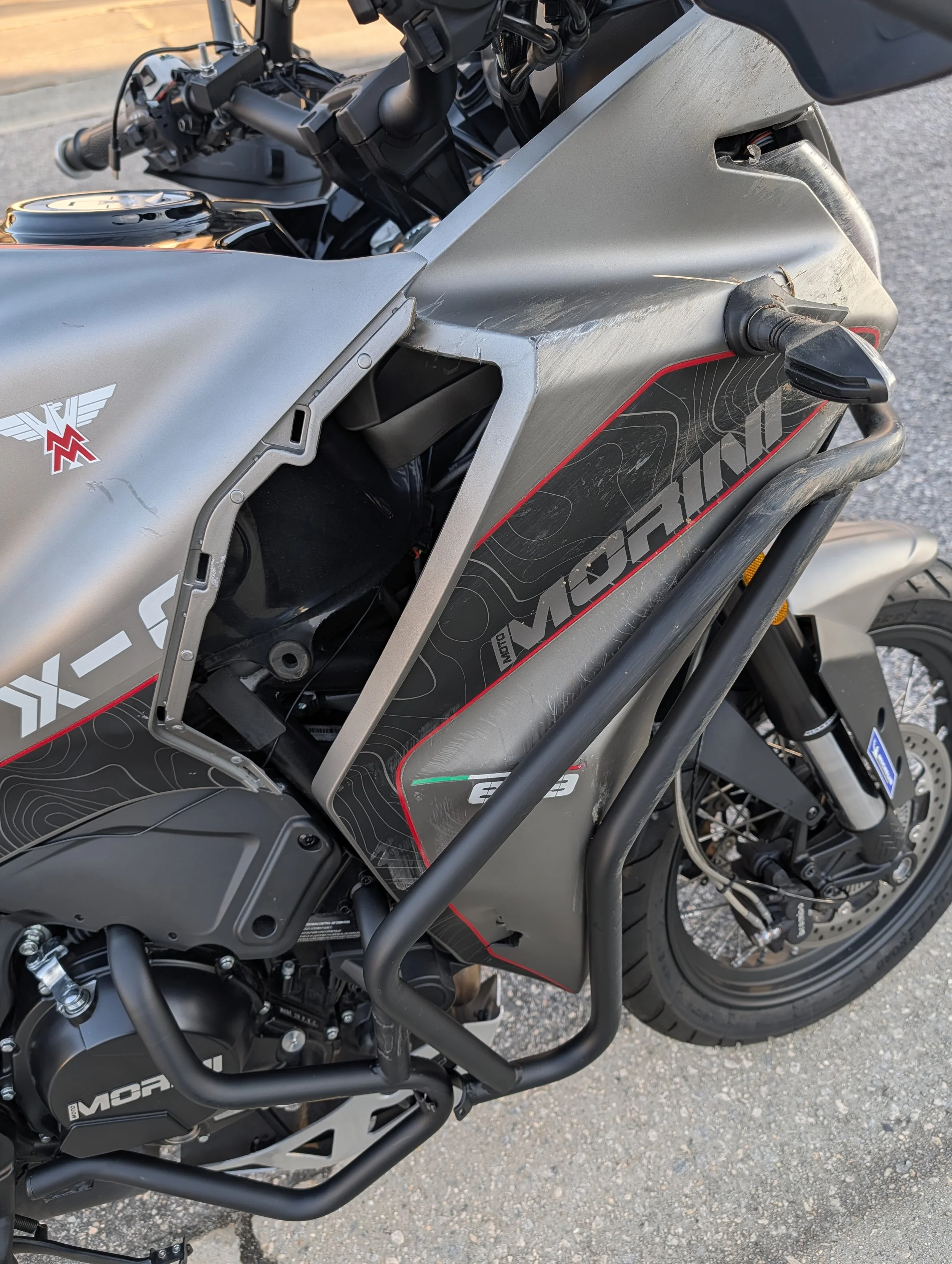
I documented the condition of the bike and talked through the damage in detail in my follow-up video here:
👉 Watch my Moto Morini Rental Damage & Ownership Update on YouTube
The Reality of Renting Out a Motorcycle
One of the biggest takeaways from this experience is that renting a motorcycle is not passive income. Even when everything goes right, it requires time, attention, and a willingness to accept risk. When things go wrong, the costs aren’t just financial — they’re emotional and logistical as well.
If you’re considering renting out a bike, especially one you don’t ride often, you need to ask yourself a hard question:
Are you prepared to lose this motorcycle?
Because once you hand over the keys, that risk is real.
The Platform I Used
For transparency, the platform I used to rent this motorcycle was Riders Share. My experience included both uneventful rentals and a major loss — which is exactly why I’m sharing this story.
If you’re interested in renting a motorcycle or listing one yourself, you can check them out here:
👉 Riders Share Referral Link:
https://www.riders-share.com/welcome/Christopherm+etHNJ
I strongly recommend watching my full video and doing your own research before deciding whether renting a bike makes sense for you.
Final Thoughts
I don’t regret owning this motorcycle. I do regret underestimating the non-financial costs of renting it out. This experience reinforced that some bikes are better enjoyed personally — even if that means they sit more than you’d like.
If this post helps even one rider make a more informed decision, then sharing it was worth it.
Disclaimer
This blog post reflects my personal experience and opinions only. Rental outcomes, rider behavior, insurance coverage, and liability vary by platform, rider, and policy. This content is not legal or financial advice. Always understand your own risk tolerance and read all terms and insurance details before renting out a motorcycle.
From MotoGP to Meltdowns: The Wildest Month Yet on 4K Motoring
Buckle Up
If you're new here—welcome to 4K Motoring, where motorcycles are a lifestyle, not a hobby, and chaos is just part of the fun. The past few weeks have been some of the craziest yet for the channel. From high-speed moments on track with the CEO of Ducati to long, frustrating battles with warranties and breakdowns, it’s been a month that’s tested both my passion and my patience. Here's a behind-the-scenes look at what’s been going on.
Riding to MotoGP at COTA

Loaded up and ready for Texas
The journey started with an epic multi-day motorcycle trip from Raleigh, North Carolina, to Austin, Texas, to attend the MotoGP race at Circuit of the Americas (COTA). As someone who’s made this trip before, I thought I knew what to expect—but nothing prepared me for what happened next.
Through rain, wind, and long stretches of empty highway, my 2022 Ducati Multistrada V4S proved why it's one of the best touring motorcycles on the market. Radar cruise control came in clutch during the long hauls, and the comfort made even the worst weather manageable. Sargent Comfort Seat and Denali D07 Pro lights made the journey truly effortless.
Riding on Track with Ducati's CEO

A surreal moment—riding with Claudio Domenicali himself
One of the absolute highlights of the trip (and possibly my life) was getting the chance to ride on track at COTA with the CEO of Ducati, Claudio Domenicali. This was part of Ducati Island’s exclusive track parade, and being surrounded by hundreds of Ducatisti made it feel like something out of a dream. If you've never experienced this event, put it on your bucket list. The energy, the community, the bikes—it's everything we love about motorcycling in one place.
And Then... Catastrophe

Not exactly how I planned to end the trip
Just when things were going too well, disaster struck. Not long after returning home, my Multistrada developed a nasty vibration in the rear. The cause? A seized rear wheel bearing. The bike was sidelined indefinitely while I dealt with warranty claims, parts delays, and the frustration of not knowing when I’d be back on the road.
The breakdown turned into a month-long saga, and while Ducati and the dealership eventually made it right, it was a tough stretch that reminded me: even premium bikes aren’t immune to mechanical issues.
Two Bikes in 48 Hours (Because Why Not?)

When life gives you lemons, buy more motorcycles
So what did I do to cope with not having my Ducati? I bought two more motorcycles within 48 hours. First, I picked up a Yamaha Warrior 1700. The bike I always wanted. As they say, never meet your heroes, right? Lesson learned, I’m not a cruiser guy. 24 hours later I found myself trading it in on something unexpected. I found myself a second new ride, a Moto Morini X-Cape 650 SE—a surprisingly capable and affordable adventure bike with some legit components (Brembo brakes, Marzocchi suspension, and a 3-year warranty).
Let’s just say retail therapy is real, and sometimes it comes on two wheels.
Back to Alabama for the Ducati

Reunited at last—thanks to Big #1 Motorsports
After what felt like forever, I got the call: the Ducati was ready. That meant one more trip—this time to Alabama—to bring the Multistrada back home. Huge thanks to Big #1 Motorsports for sticking with the repair process and helping me navigate the warranty coverage. She's back in action and (hopefully) ready for the next adventure.
What's Next for 4K Motoring?
If you’ve missed the latest videos on the channel, now’s the perfect time to catch up. I’ve been posting updates on all of this—from the MotoGP trip to the Ducati breakdown saga, to first impressions of the new bikes. Upcoming content includes ride reviews, gear breakdowns, how-tos, and plenty more behind-the-scenes chaos.
👉 Subscribe on YouTube: www.youtube.com/4Kmotoring
Final Thoughts
Motorcycles are more than just machines—they’re unpredictable, emotional, and occasionally maddening. But it’s all part of the ride. Whether I’m stuck on the side of the road or flying down a world-class racetrack, I wouldn’t trade this journey for anything.
Thanks for being part of it.
MotoGP at Circuit of the Americas: The History and Significance of America’s Grand Prix

MotoGP is the pinnacle of motorcycle racing, a global spectacle of speed, precision, and sheer two-wheeled brilliance. While Europe has long been the heartland of the sport, the United States has played a vital role in shaping MotoGP history, producing legendary riders and hosting iconic races. Among the premier American venues, Circuit of the Americas (COTA) in Austin, Texas, stands as the modern home of MotoGP in the U.S. Since its first race in 2013, COTA has become a staple on the MotoGP calendar, drawing riders and fans from across the country for an unforgettable weekend of racing.
The Birth of COTA: A World-Class Racing Destination
Before COTA was built, MotoGP had a fluctuating history in the U.S., bouncing between venues like Laguna Seca, Indianapolis Motor Speedway, and Daytona in its early years. While these tracks offered unique challenges, none were designed specifically with modern MotoGP machinery in mind.
Enter Circuit of the Americas, a state-of-the-art 3.41-mile (5.5 km) circuit located just outside Austin, Texas. Designed by the renowned German architect Hermann Tilke, COTA was built to host Formula 1, MotoGP, and other top-tier racing series. With its mix of high-speed straights, technical corners, and the signature uphill Turn 1 hairpin, COTA quickly established itself as one of the most challenging and exciting tracks on the MotoGP calendar.
MotoGP made its COTA debut in 2013, marking a new era for motorcycle racing in America. The event was an instant hit, drawing huge crowds and setting the stage for a decade of thrilling races.
Marc Márquez’s Dominance and COTA’s Signature Moments
One of the defining stories of MotoGP at COTA has been the dominance of Marc Márquez. The Spanish rider, often referred to as the “King of COTA,” won seven consecutive MotoGP races at the track from 2013 to 2019. His aggressive riding style and ability to master COTA’s technical sections made him nearly unbeatable at the venue.
However, COTA has produced its fair share of surprises. In 2021, Márquez’s winning streak was broken when Ducati’s Francesco Bagnaia and Yamaha’s Fabio Quartararo put on a thrilling battle, showcasing the growing competitiveness of the sport. The following year, Enea Bastianini took his first-ever MotoGP victory at the track, proving that COTA is a place where young talent can shine.
Beyond the race results, COTA has delivered legendary moments—from breathtaking last-lap battles to dramatic crashes and heroic comebacks.
Why COTA Matters to MotoGP and American Racing Fans
MotoGP at Circuit of the Americas isn’t just another race—it’s a crucial event for motorcycle racing in the United States. Here’s why:
1. Keeping MotoGP Alive in the U.S.
With the departure of Indianapolis and Laguna Seca from the MotoGP calendar, COTA is now the only American stop for the series. This makes it a critical event for keeping MotoGP relevant in the U.S., ensuring that American fans get a chance to see their favorite riders in action without traveling overseas.
2. A Showcase for American Riders
Historically, the U.S. has produced some of the greatest motorcycle racers, including Kenny Roberts, Eddie Lawson, Wayne Rainey, Kevin Schwantz, and Nicky Hayden. However, in recent years, American representation in MotoGP has dwindled. COTA serves as an essential platform for American riders in Moto2 and Moto3 to showcase their talent in front of a home crowd, keeping the dream of another U.S. MotoGP champion alive.
3. A Premier Motorcycle Festival
MotoGP at COTA isn’t just about racing—it’s a massive celebration of motorcycle culture. The event features Ducati Island, manufacturer showcases, demo rides, stunt shows, and vendor exhibits, making it a must-attend gathering for riders from all over North America. Thousands of motorcyclists make the pilgrimage to Austin, turning the race weekend into a two-wheeled festival unlike anything else in the country.
4. An Iconic Track with a Unique Challenge
COTA’s layout provides one of the most physically demanding and technically complex circuits in MotoGP. From the hard-braking zone into Turn 1 to the fast, flowing esses reminiscent of Suzuka, the track tests both rider skill and machine performance. The brutal back straight—one of the longest on the MotoGP calendar—demands top speed and precision braking, making for some of the best overtaking opportunities of the season.
5. Bringing New Fans to the Sport
With MotoGP growing in popularity thanks to platforms like MotoGP VideoPass, YouTube, and social media, COTA plays a vital role in introducing new fans to the sport. It’s one of the few opportunities for American audiences to experience the sheer intensity of MotoGP in person—the sound of 300-horsepower prototypes screaming down the straight, the smell of race fuel, and the thrill of seeing the best riders in the world battle wheel to wheel.
The Future of MotoGP at COTA
Despite some challenges, including track surface issues in past years (which have since been resurfaced), COTA remains a crucial part of the MotoGP calendar. The circuit has a contract to host MotoGP through at least 2026, ensuring that U.S. fans will continue to enjoy world-class motorcycle racing in their backyard.
With rising American talent like Joe Roberts and Cameron Beaubier making waves in the international scene, there’s hope that we’ll soon see another American rider break into the premier class. Until then, MotoGP at Circuit of the Americas remains a must-see event, showcasing the best of what motorcycle racing has to offer.
Final Thoughts: Why You Should Experience MotoGP at COTA
Whether you’re a hardcore MotoGP fan or just love motorcycles, experiencing the race at COTA is bucket-list material. Between the thrilling on-track action, the incredible fan atmosphere, and the chance to see some of the world’s best riders up close, it’s an event that every American motorcyclist should attend at least once.
So, if you haven’t already, mark your calendar for this year’s race and join the thousands of fans riding into Austin for the ultimate MotoGP experience. See you at Ducati Island—or somewhere along the back straight, watching these bikes fly by at 220 mph!

My Ride to COTA: 4 Years and Counting!
This year will mark my fourth consecutive ride from Raleigh, NC, to Austin, TX, for the race, and I can’t wait to do it again! The trip itself is an adventure, covering over 1,200 miles and taking me through some of the best riding roads in the country.
There’s something about rolling into Austin, seeing the massive turnout of fellow riders, and knowing that MotoGP weekend has arrived. And, of course, parking my Ducati Multistrada V4S inside Ducati Island never gets old!
Come Say Hi at COTA!
If you’re attending MotoGP at Circuit of the Americas, be sure to swing by Ducati Island and check out my bike! I’ll be around the paddock, grandstands, and vendor areas throughout the weekend, so if you see me, don’t hesitate to stop and chat.
MotoGP at COTA is always an incredible experience, and 2025 is shaping up to be another unforgettable year. So gear up, plan your ride, and I’ll see you in Austin!

Conquering the Cold: A Guide to Riding Motorcycles in Winter Weather
Winter Riding Tips
Riding a motorcycle in cold weather can be an exhilarating experience—assuming you’re not frozen to your handlebars. With the right gear and a few key considerations, you can extend your riding season and enjoy the unique thrill of winter rides without turning into a human popsicle. Let’s dive into the essentials for cold-weather riding, from heated gear to tire traction.
Heated vs. Insulated Gear
When riding in cold weather, staying warm is critical not just for comfort but also for maintaining focus and control. Riders have two main options: heated gear and insulated gear.
Heated Gear: Heated jackets, pants, gloves, and insoles are powered by your bike’s electrical system or standalone battery packs. These provide consistent warmth even in frigid temperatures. Heated grips and heated seats are also popular add-ons for keeping your hands and core warm. It’s like having a mini campfire on your bike—without the risk of accidentally roasting marshmallows mid-ride.
Insulated Gear: Insulated gear relies on materials like Thinsulate, down, or fleece to trap your body heat. While it doesn’t require a power source, its effectiveness diminishes over extended periods in extreme cold. For shorter rides or moderate winter conditions, high-quality insulated gear can suffice, especially when paired with windproof outer layers. But remember: once the cold creeps in, you’ll be dreaming of heated gear faster than you can say "subzero."
Choosing between the two often comes down to budget, convenience, and your riding style. Heated gear is a game-changer for those who spend hours on the road, while insulated options work well for shorter, casual rides.
The Importance of Dressing in Layers
Layering is a tried-and-true method for staying warm during winter rides. Start with a moisture-wicking base layer to keep sweat off your skin and prevent chills. Follow up with an insulating layer to retain heat, such as a fleece or thermal shirt. Finally, add a windproof and waterproof outer layer to shield you from the elements.
This modular approach allows you to adjust your clothing based on the temperature and riding conditions. If you start to overheat or conditions improve, simply remove a layer. Just don’t forget where you stashed it—or you might end up wearing your base layer to the coffee shop.
Heated Seats and Grips
Cold hands and a freezing seat can turn a pleasant ride into a miserable experience—unless, of course, you enjoy the sensation of turning into an ice sculpture. Heated grips and heated seats are effective solutions for these problems:
Heated Grips: These are especially important as cold hands can reduce dexterity, making it harder to operate the throttle, clutch, and brakes. Heated grips provide warmth directly to your hands, ensuring better control. It’s like giving your hands a warm hug while they’re doing all the hard work.
Heated Seats: A warm seat helps maintain your core temperature and adds a touch of luxury to your winter rides. Many modern motorcycles come equipped with heated seats as standard, or you can install an aftermarket option. Let’s face it—there’s nothing quite like feeling toasty while the wind tries its best to freeze your face off.
Motorcycle Tires and Cold Weather
Cold temperatures can significantly affect motorcycle tire performance. As the temperature drops, tire rubber becomes stiffer, reducing its ability to conform to the road surface. This results in reduced traction and longer stopping distances. Additionally, cold pavement offers less grip than warm pavement, compounding the issue.
To mitigate these risks:
Check Tire Pressure: Cold air causes tire pressure to drop. Check and adjust your tire pressure before every ride to ensure optimal performance. Remember, riding on underinflated tires is like skating on thin ice—literally.
Warm Up Your Tires: Ride cautiously for the first few miles to allow your tires to generate some heat and improve grip. Think of it as foreplay for your tires—it’ll pay off in the long run.
Be Cautious on Cold Roads: Avoid aggressive acceleration, hard braking, and sharp cornering, as these can lead to loss of traction. If you wanted to practice your ice skating moves, there’s always the local rink.
Pinlock Shields for Clear Vision
Fogging inside your helmet visor is a common issue in cold weather, but it can be easily addressed with a Pinlock shield. This accessory creates a double-pane effect inside your visor, similar to how double-glazed windows work to reduce condensation. By maintaining a consistent temperature across the visor, Pinlock shields prevent fog from forming, ensuring a clear line of sight in all conditions.
If your helmet isn’t Pinlock-ready, consider anti-fog sprays or masks designed to direct your breath downward, away from the visor. Or, you could hold your breath the entire ride—but we don’t recommend it.
Final Thoughts
Riding motorcycles in cold weather is all about preparation and adaptability. Investing in quality gear, understanding how cold affects your bike’s performance, and taking precautions to maintain visibility and traction will make your winter rides safe and enjoyable. So gear up, embrace the chill, and enjoy the open road—even when the temperatures drop. Just remember: if you’re warm and smiling under your helmet, you’ve already won the battle against winter.